

The modernization of the heating system is no longer merely a technical discipline. In cities, it is becoming one of the key strategic issues that influences future operating costs, energy security, and the pace of decarbonization. This is precisely why the “Heating System Concept for the Capital City of Bratislava” project ranks among the most significant initiatives of recent years.
“This is not just another general document that merely describes the current state of affairs. The ambition is to create a realistic foundation for the city’s strategic decision-making over the next few decades,” says Jan Hanus, an expert on energy concepts and director of ORGREZ ECO.
From General Analysis to Detailed Design
Unlike the previous concept from 2019, which relied primarily on general data, the new approach is based on significantly more detailed, advanced analytics.
The first phase of the design focused on data collection and evaluation. Public and paid databases, city records, and targeted surveys among apartment building managers, municipal organizations, industrial enterprises, and heating plants were utilized. Direct communication and on-site inspections were also conducted at major facilities.
Data as the Basis for Decision-Making
A key strength of the project is its level of detail. Data is collected and analyzed using proprietary tools and methodologies in accordance with local legislation and European trends under the unified ORGREZIO Cities platform. This enables visualization on maps, regular updates, and more precise prioritization of individual steps.
As a result, the city has a clearer picture of where district heating makes sense in the long term, where it should be expanded, and where, conversely, it is rational to consider decentralized sources, such as heat pumps.
These decisions will be crucial for Bratislava in the coming years. The goal of carbon neutrality by 2050 cannot be achieved without a well-thought-out transformation of the heating sector. It is not enough to simply follow European decarbonization requirements.
“We need to find solutions that are economically viable, operationally stable, and acceptable to both the city and its residents,” Hanus emphasizes.
For this project, ORGREZ is collaborating with the consulting firm KPMG Slovakia, which, as the lead contractor, is responsible for all communication, legal, and environmental aspects of the project, as well as ensuring that the solution complies with Slovak legislation and European standards. It is precisely this integration of strategic, economic, and technical perspectives that creates the foundation for a design that is both ambitious and realistic.
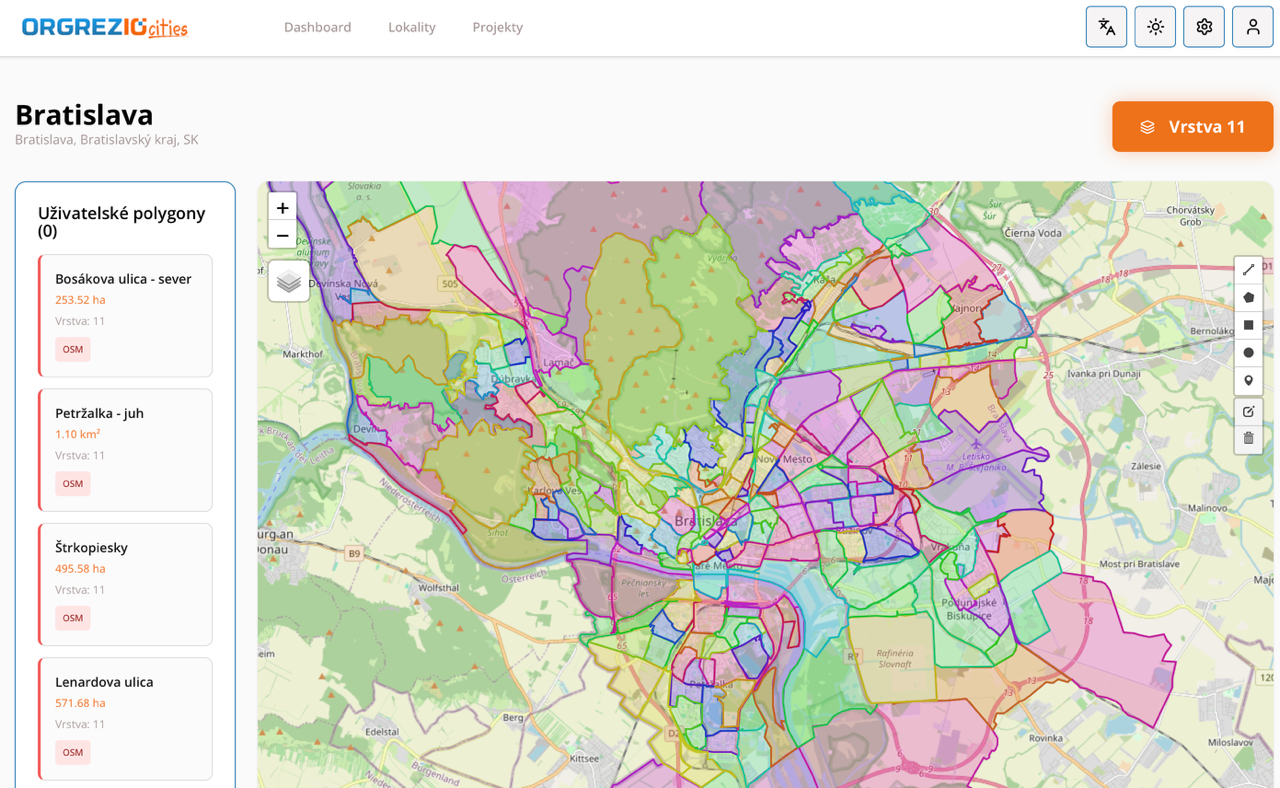
From a Document to a City Management Tool
The second phase of the project will apply the collected data to specific city districts and territorial units. The results will include textual outputs, map data, recommendations for land-use planning, and a simplified model.
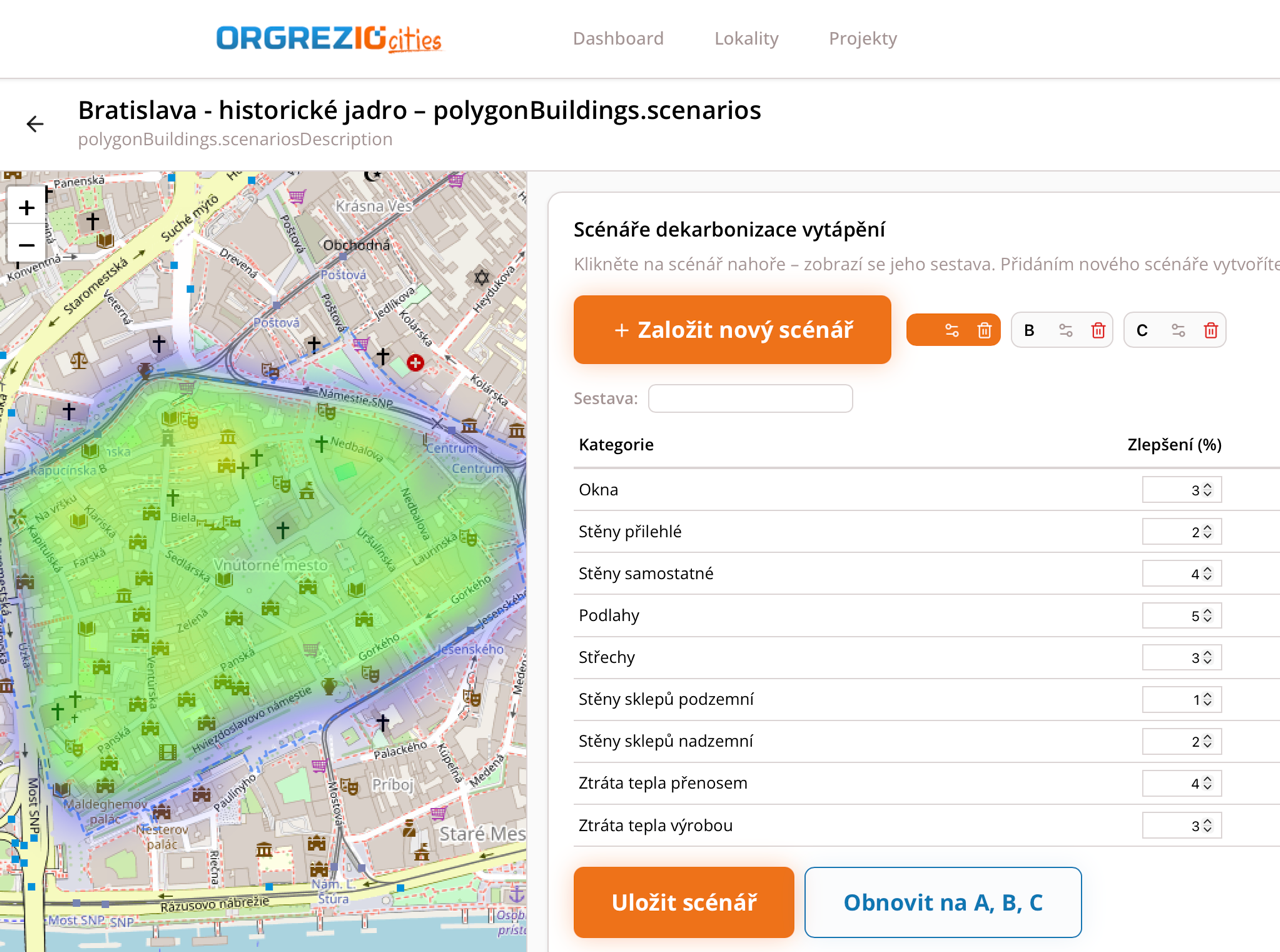
This will allow the city to simulate the impacts of individual decisions over time. The energy concept will thus not be a static document, but a working tool for day-to-day decision-making.
“In the simplified live model, it will be possible to analyze any deviations from the set strategy and their impact. This will provide the city with very quick and clear answers to questions that often arise when approving strategic city decisions. Assumptions will be replaced by a very comprehensive data structure from the ORGREZIO Cities application. This also enables fully interactive work with both visualizations and real-time updates,” adds Jan Huml, director of ORGREZ DATA, the company that developed ORGREZIO.
Beyond the Energy Sector
The outcomes of the strategy will serve the city’s internal needs and will also provide valuable guidance for developers, heat suppliers, and other investors. At the same time, they will help identify connections between the heating system and other areas of urban infrastructure, ranging from the capacity of energy networks to the future development of electric mobility. Concepts for different sectors can thus draw on important data and trends from one another.
Such projects clearly demonstrate that the future of energy lies not only in generation sources but, above all, in the smart planning of entire territories. And this is precisely where the true significance of this concept for Bratislava lies.
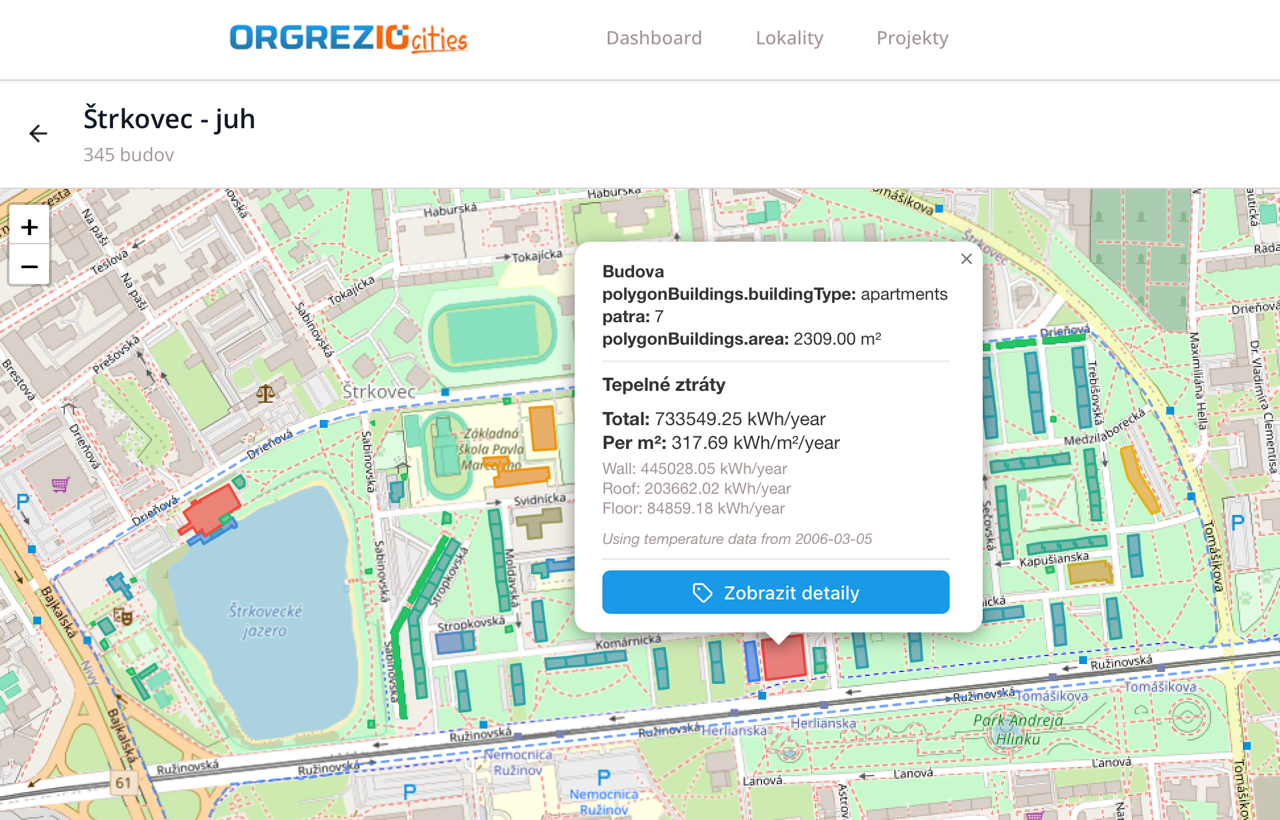
You can see examples from the ORGREZIO Cities data tool in the text.
You can read more about our approach to creating energy concepts here.