

Blog
We write articles for you on the implementation of ESG principles. We bring you news and tips from the industry. We show you inspirations on how a pragmatic transition to sustainable business can have a positive impact on performance indicators.

An energy audit, concept or strategy are not merely administrative documents. They form the basis for decisions that will shape an organisation’s operations for many years to come. Their greatest value, however, does not lie in the documents themselves, but in their ability to correctly identify a problem before the first investment decision is made.

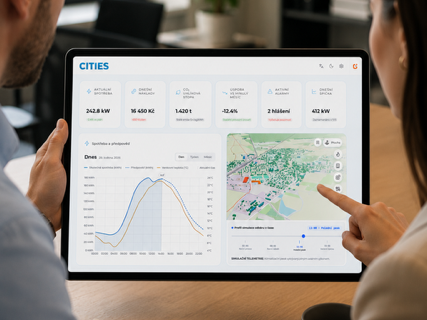
The municipality’s energy supply, building management costs, and planning for repairs and local development. In practice, there are countless variables in towns and municipalities, and responsibility for the information relating to them often lies with different people.
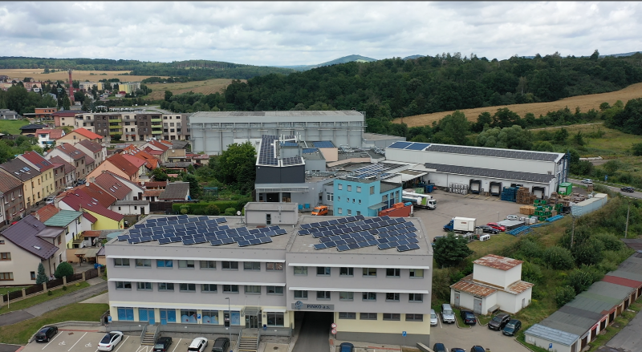
Energy security today does not mean being self-sufficient at any cost. It means understanding one’s own operations, assessing risks properly and investing where it really makes sense.

How well a cooling tower actually performs has an impact on both the performance of the power plant and the overall cost-effectiveness of its operation. We therefore need to know its parameters at various stages of its life cycle – when assessing its current condition and potential for improvement, as well as when verifying the technical parameters guaranteed by the supplier.

Air quality is not merely an environmental indicator. For investors, operators of industrial and energy facilities, and designers, it serves as an important basis for licensing processes, the design of technologies and the assessment of the impact of operations on the surrounding environment.

In today’s volatile energy market, it might seem that all it takes to succeed is high-quality data, a quick-thinking trader, and the ability to optimise operations and trading on a daily basis based on that data. The reality, however, is considerably more complex. Even the most sophisticated trading plan will reach its limits if it is hampered by technological constraints inherent in the data source itself. Flexibility cannot simply be calculated into algorithms; it must, first and foremost, be embedded in the very concept and technical condition of the equipment.